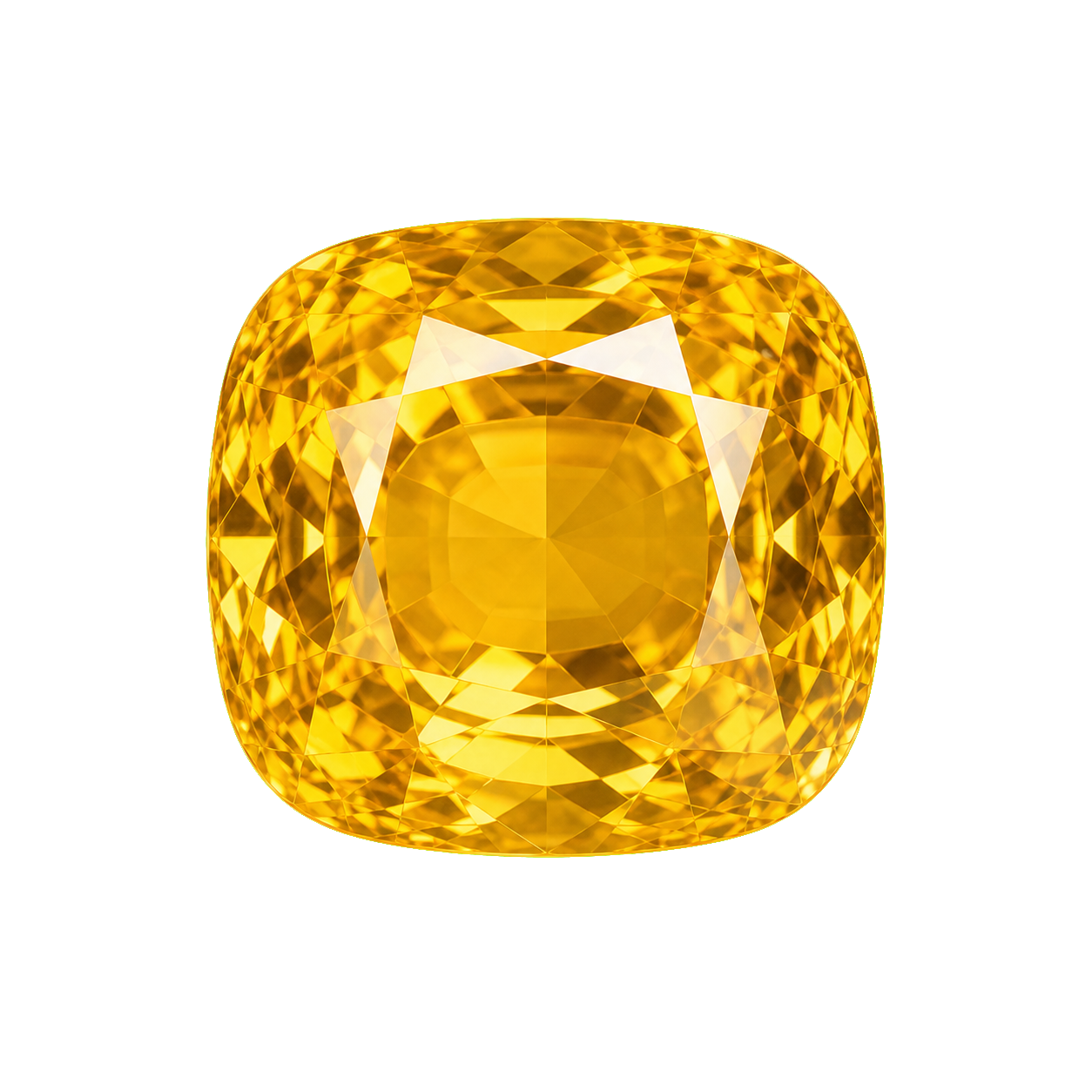
Lotus Pink
A delicate pink base warmed by a visible orange component.
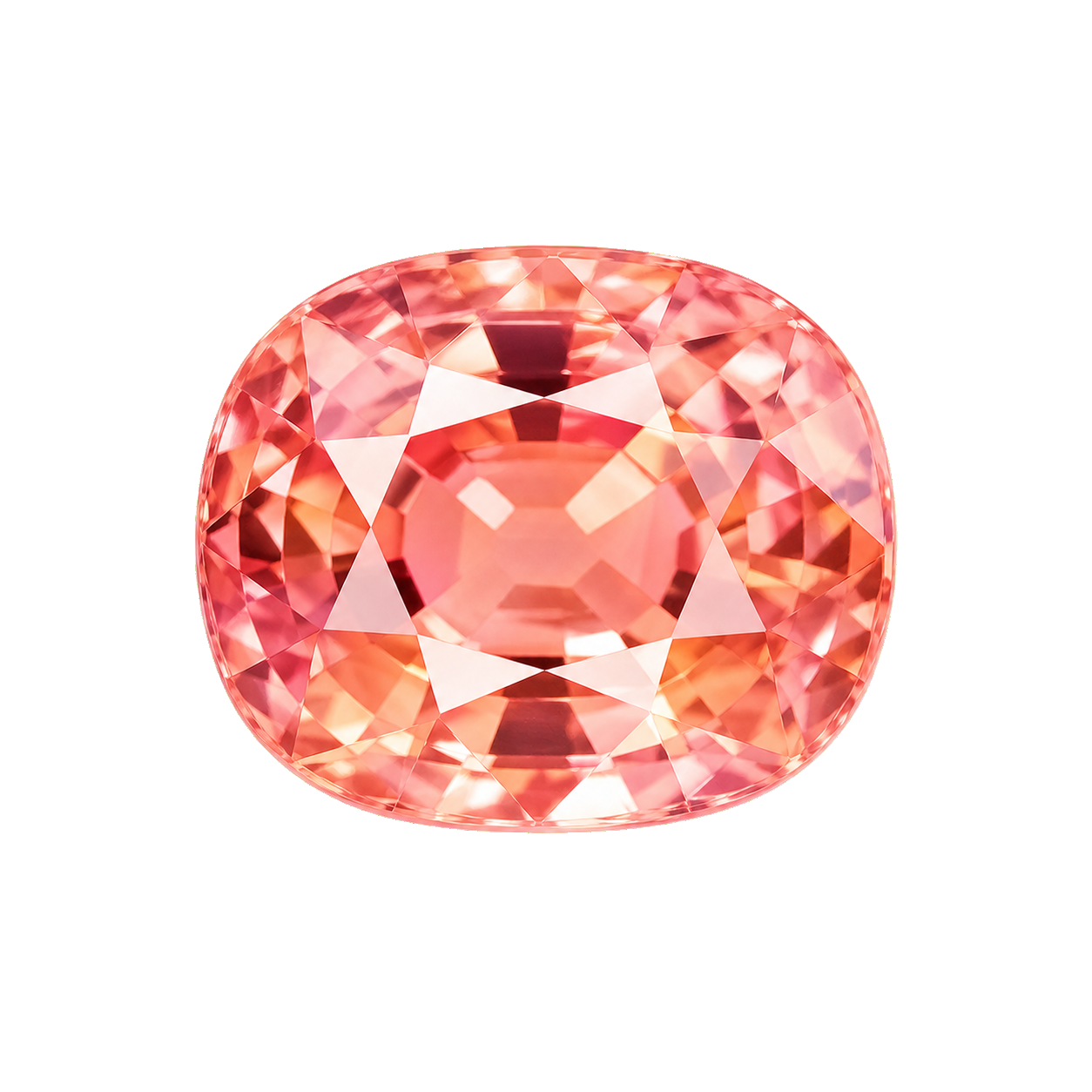
Encounter the rare harmony of pink and orange found in natural Ceylon Padparadscha Sapphires.
Padparadscha is an exceptionally rare sapphire variety celebrated for a delicate meeting of pink and orange. Its name is linked to the colour of a Sri Lankan lotus blossom, and its beauty depends on harmony rather than the dominance of either hue.
Our Padparadscha collection prioritises balanced sunset colour, transparency, elegant cutting, and credible disclosure. Because laboratory definitions can be strict, any Padparadscha designation, treatment finding, or origin opinion should be supported by the report offered with the individual stone.
Creativity, joy, new beginnings, and the beauty of a tropical sunset
Padparadscha takes its name from the Sinhalese expression for the lotus blossom, reflecting its delicate meeting of pink and orange. Long associated with Sri Lanka, it is one of the world's most distinctive and closely scrutinised sapphire varieties.
True Padparadscha colour must show a balanced, attractive sunset hue rather than appearing only pink or only orange. Because natural stones meeting recognised laboratory criteria are extremely limited, provenance and an authoritative colour opinion are central to their value.
True quality begins with a recognisable and attractive balance of pink and orange. Colour stability, even distribution, transparency, cutting, treatment status, and a respected laboratory opinion are critical. Buyers should compare the actual report wording rather than rely only on a seller-applied colour name.
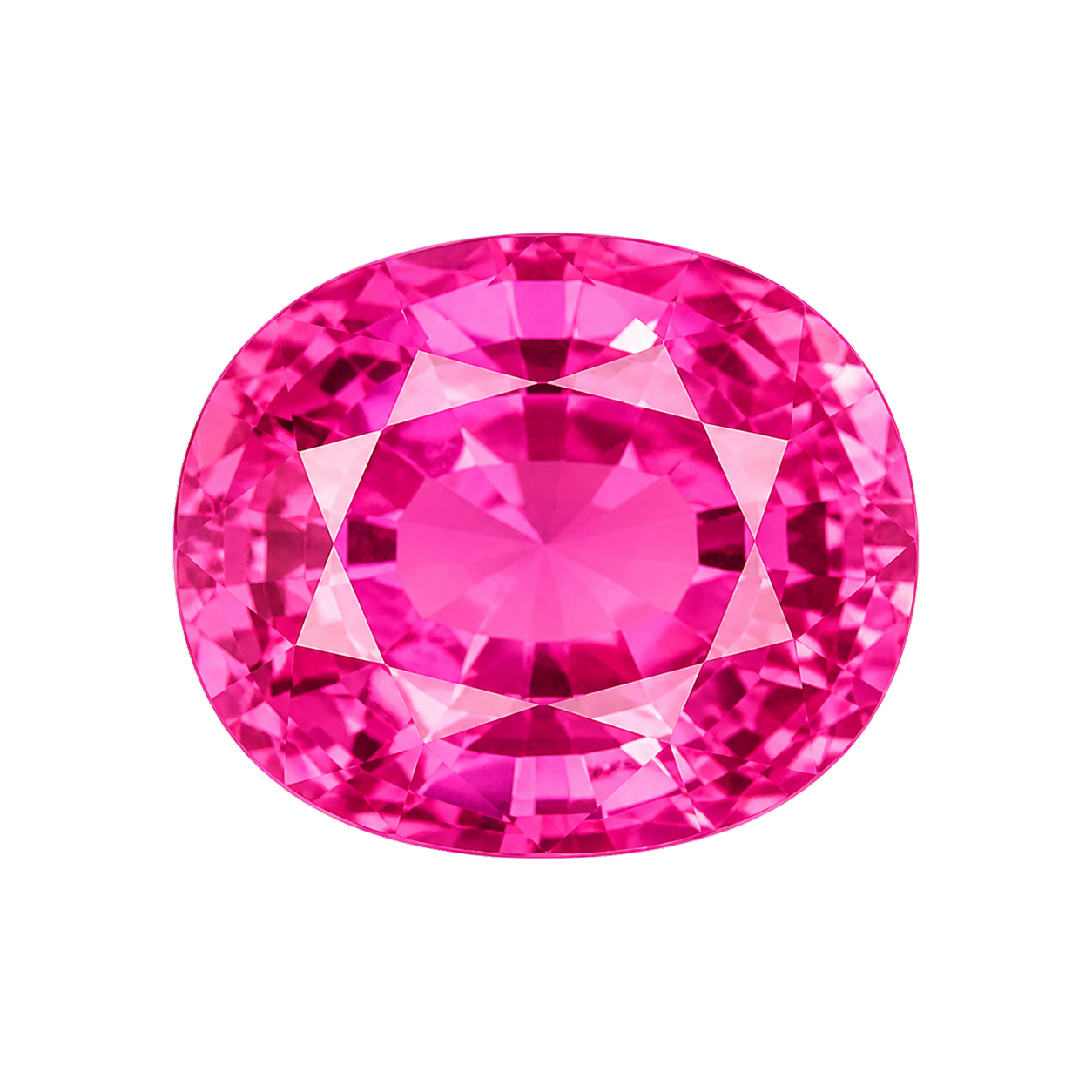
A delicate pink base warmed by a visible orange component.
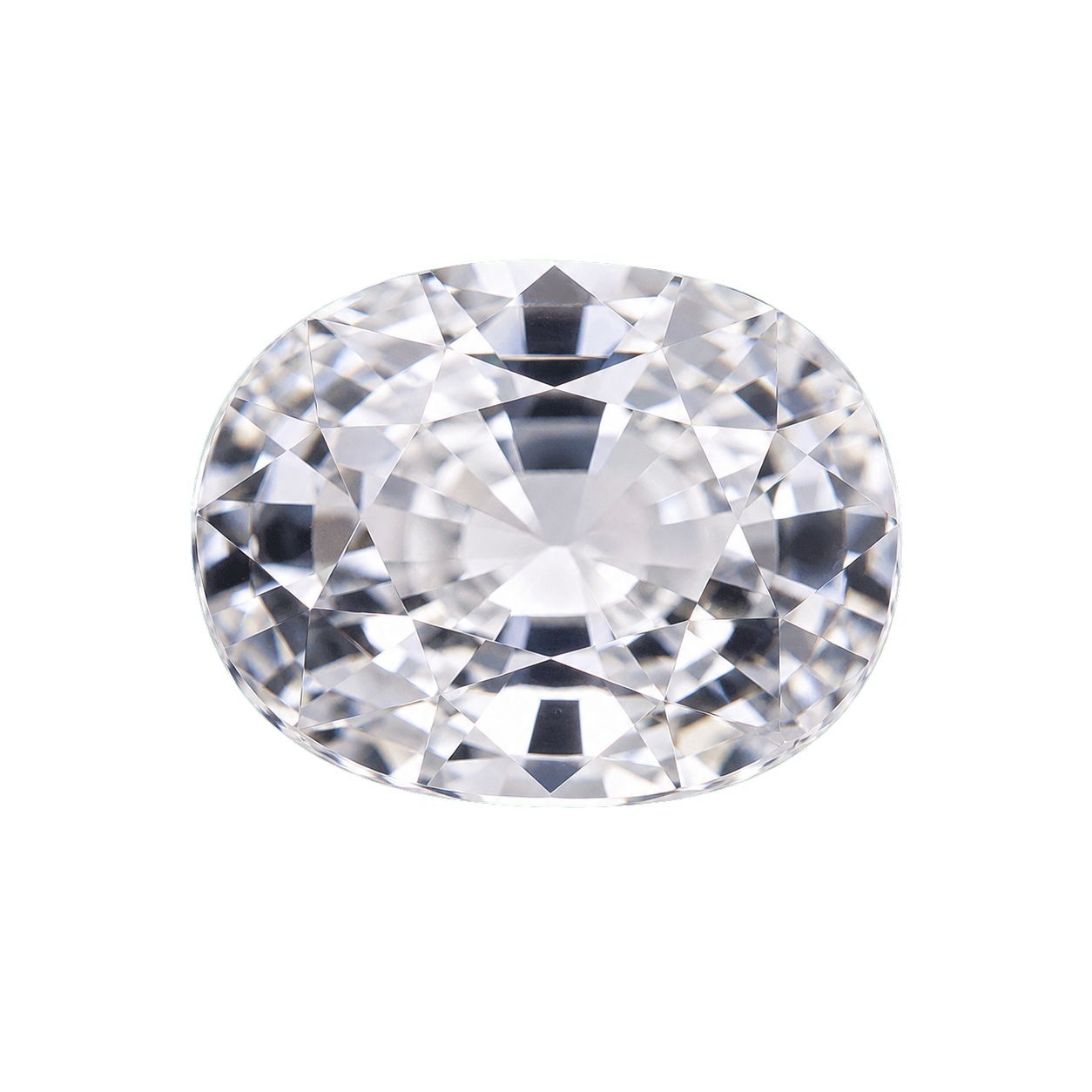
A soft pastel balance that should retain both pink and orange impressions.
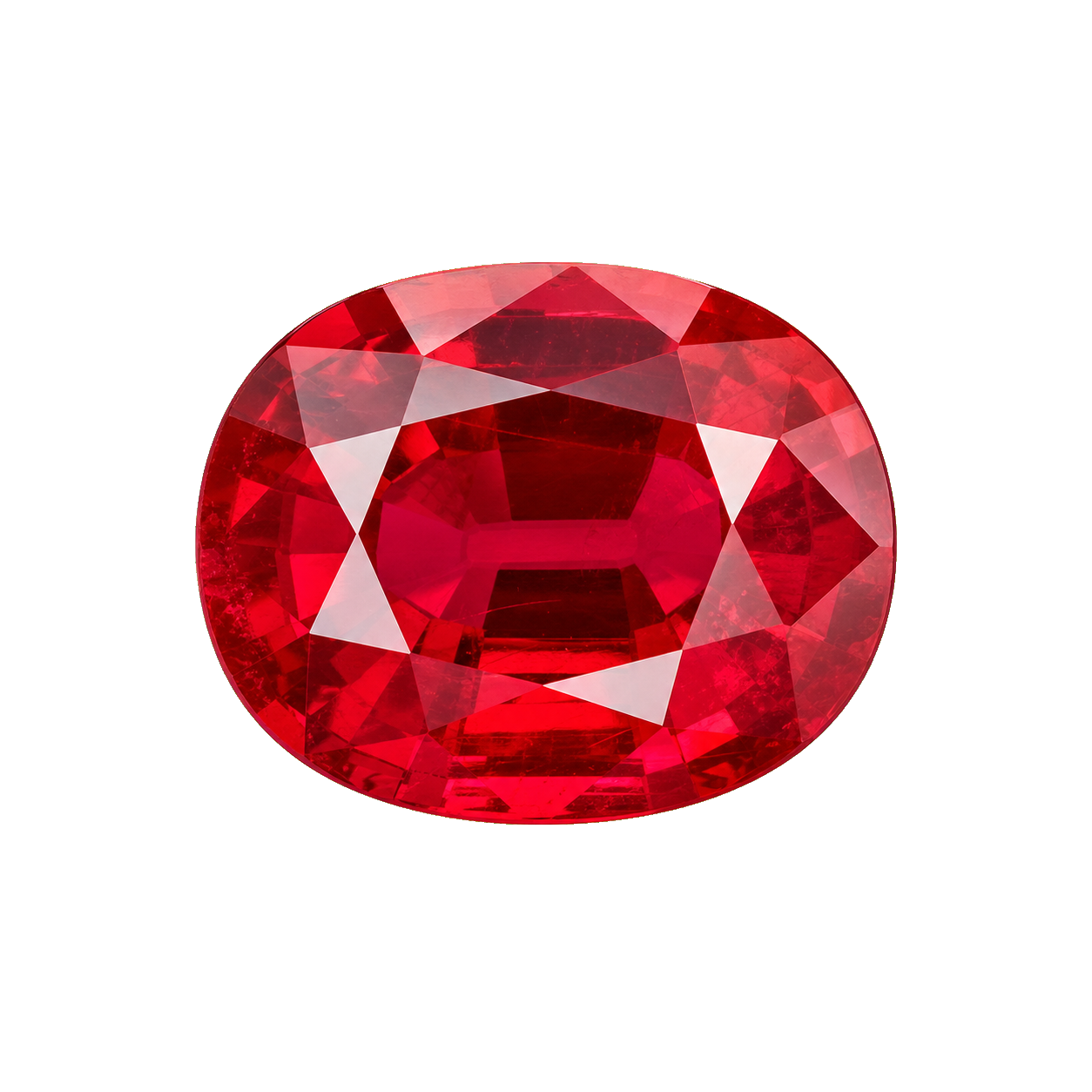
A slightly richer blend with warm, elegant saturation.
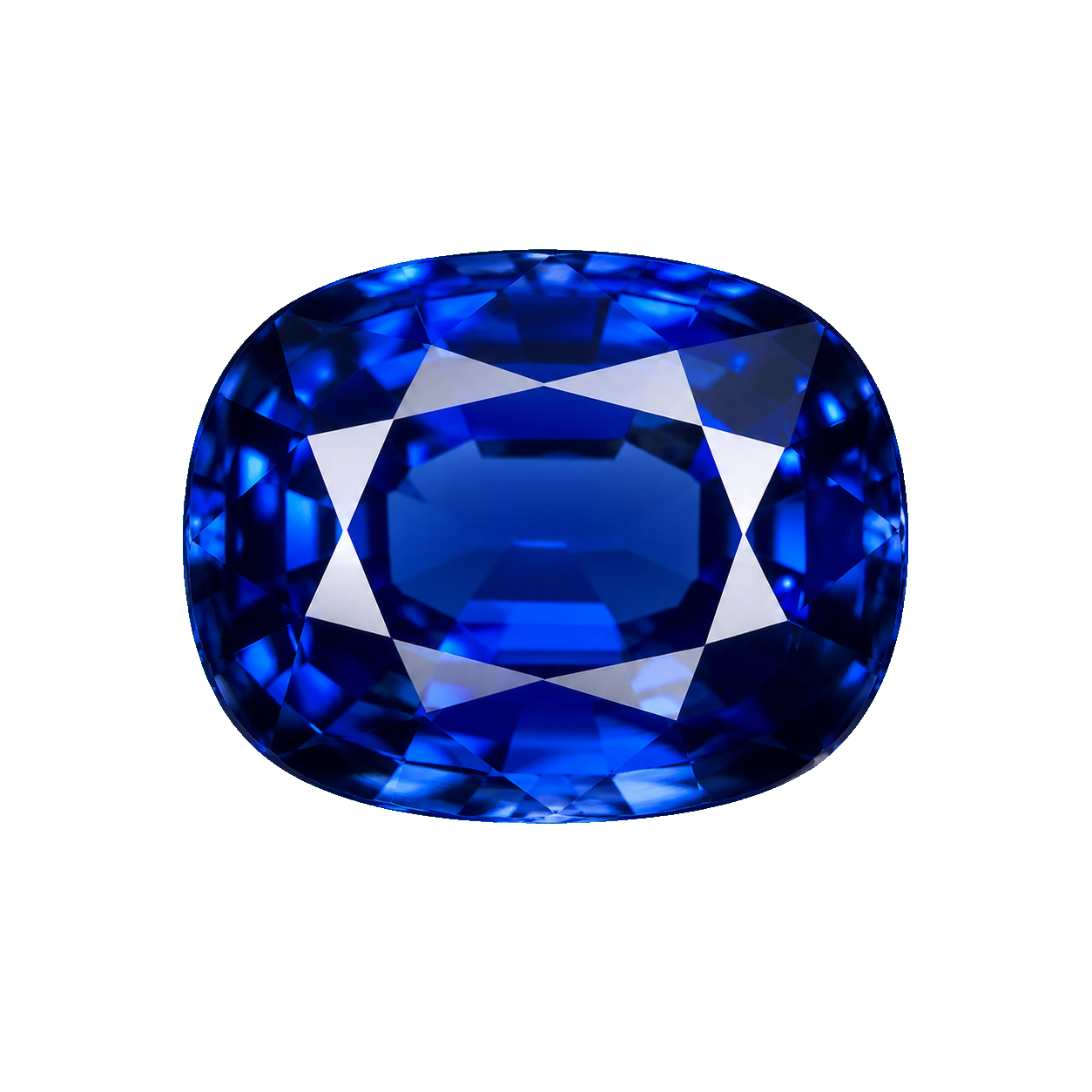
A balanced, vivid meeting of the two hues without brown dominance.
Padparadscha has a historic connection to Ceylon sapphire deposits, though fine material may occur elsewhere. We present available provenance and treatment information transparently and avoid assigning origin or variety conclusions beyond the supporting documentation.
For this closely scrutinised variety, a laboratory report is particularly useful. It may state whether the stone meets that laboratory’s Padparadscha criteria, disclose detectable treatment, and sometimes offer an origin opinion. Report scope and terminology vary between laboratories.
Use these points as a practical starting place, then compare the individual stone in photographs, video, measurements, and available documentation.
Clean Padparadscha sapphire gently with lukewarm water, mild soap, and a soft brush. Avoid chemical exposure, hard knocks, and abrupt temperature change. Before steam or ultrasonic cleaning, have a professional confirm the stone’s condition and treatment. Store it separately and keep laboratory documentation protected.
It must show an attractive pink-orange balance that meets the terminology and treatment criteria of the evaluating laboratory.
Few natural sapphires combine the required hue balance, transparency, size, and treatment status while satisfying strict laboratory criteria.
Yes. A recognised report can clarify identity, treatment findings, and whether the laboratory accepts the Padparadscha colour designation.
Current availability can be checked. An origin claim should be supported by an appropriate laboratory opinion where offered.
Yes. Request daylight and indoor video because this subtle pink-orange colour can appear different under warm and cool light.
Share your preferred colour, shape, carat range, certification needs, jewellery purpose, and budget to request current private inventory.
Inquire on WhatsApp