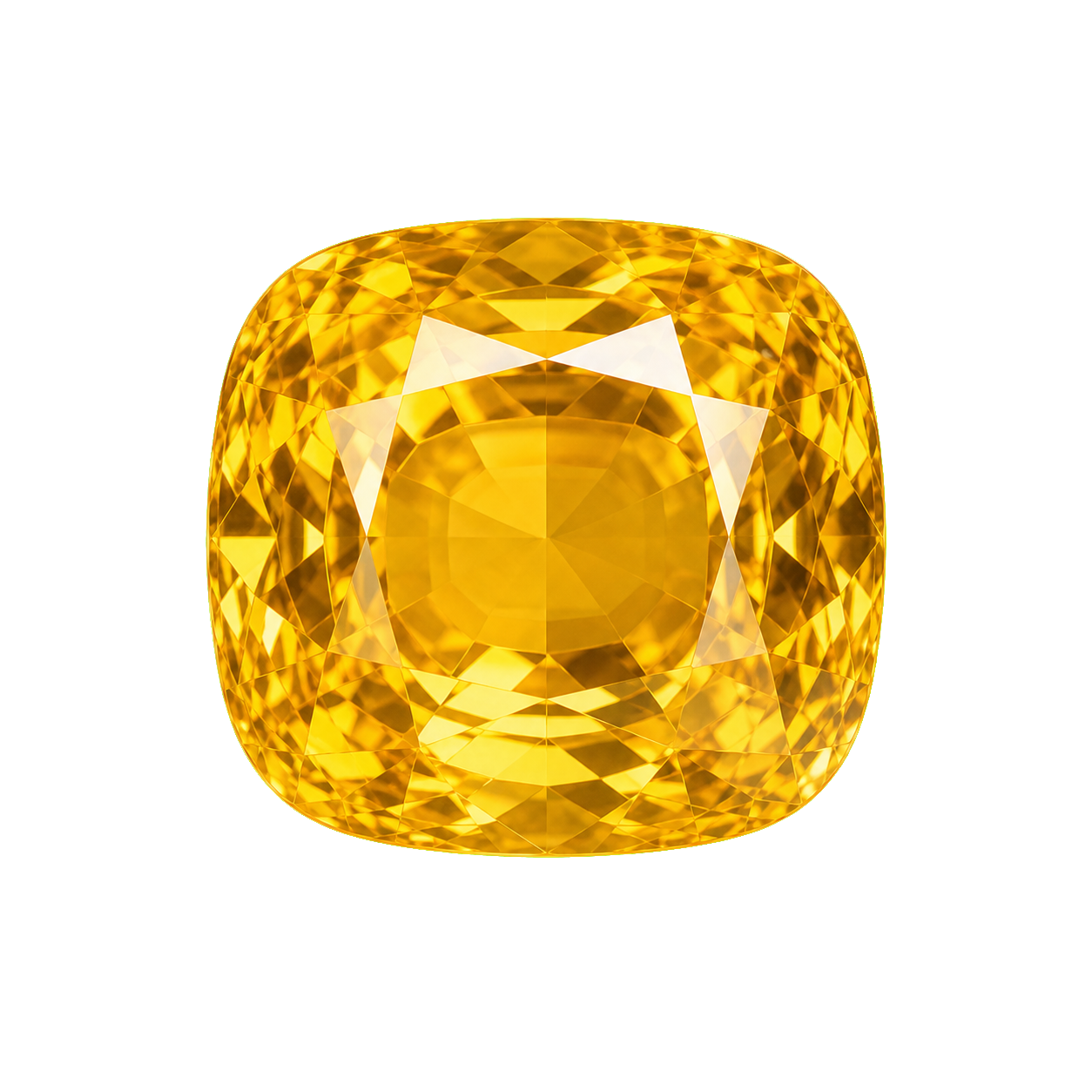
Pigeon Blood Red
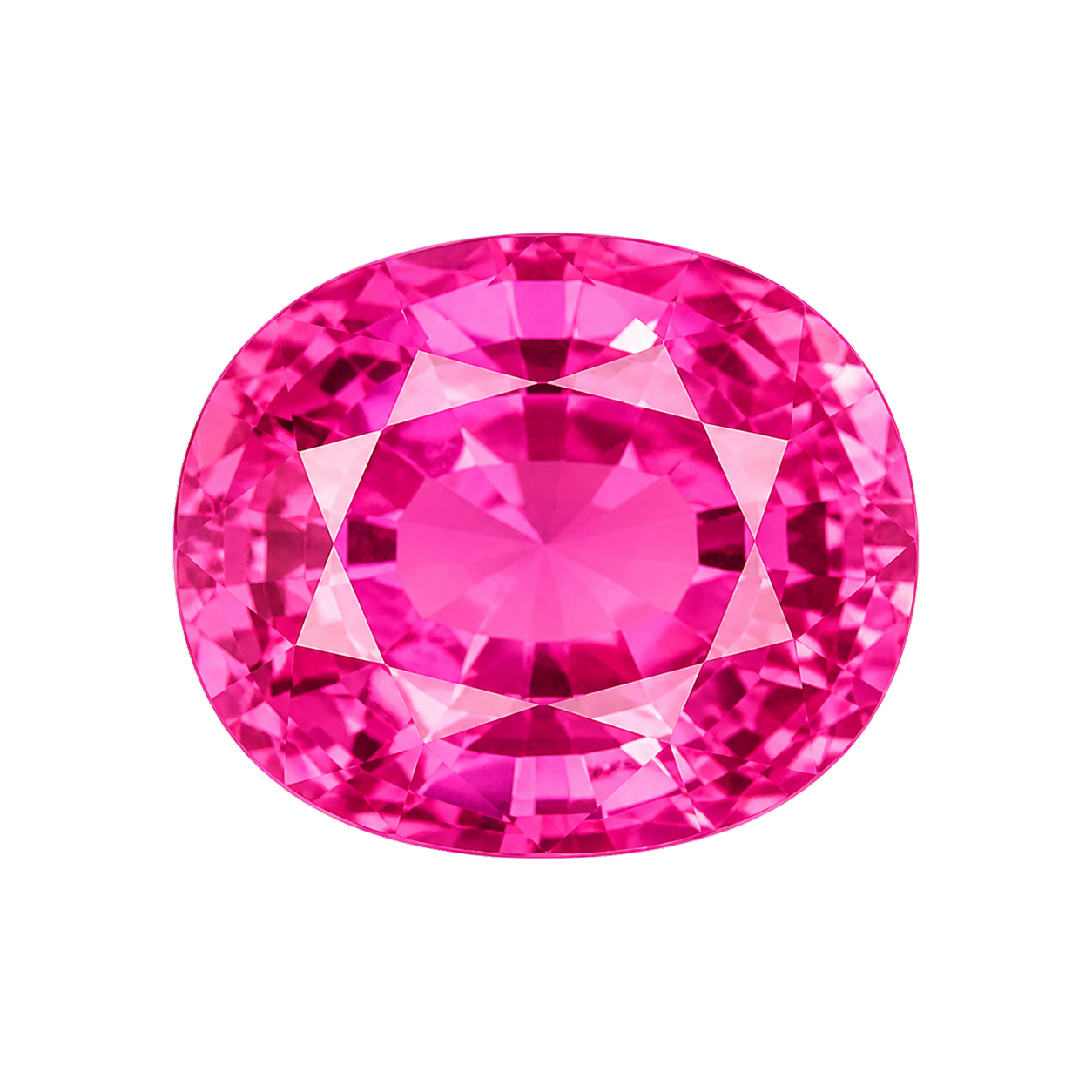
The most prestigious ruby colour, admired for its intense pure red appearance with exceptional depth and brilliance.
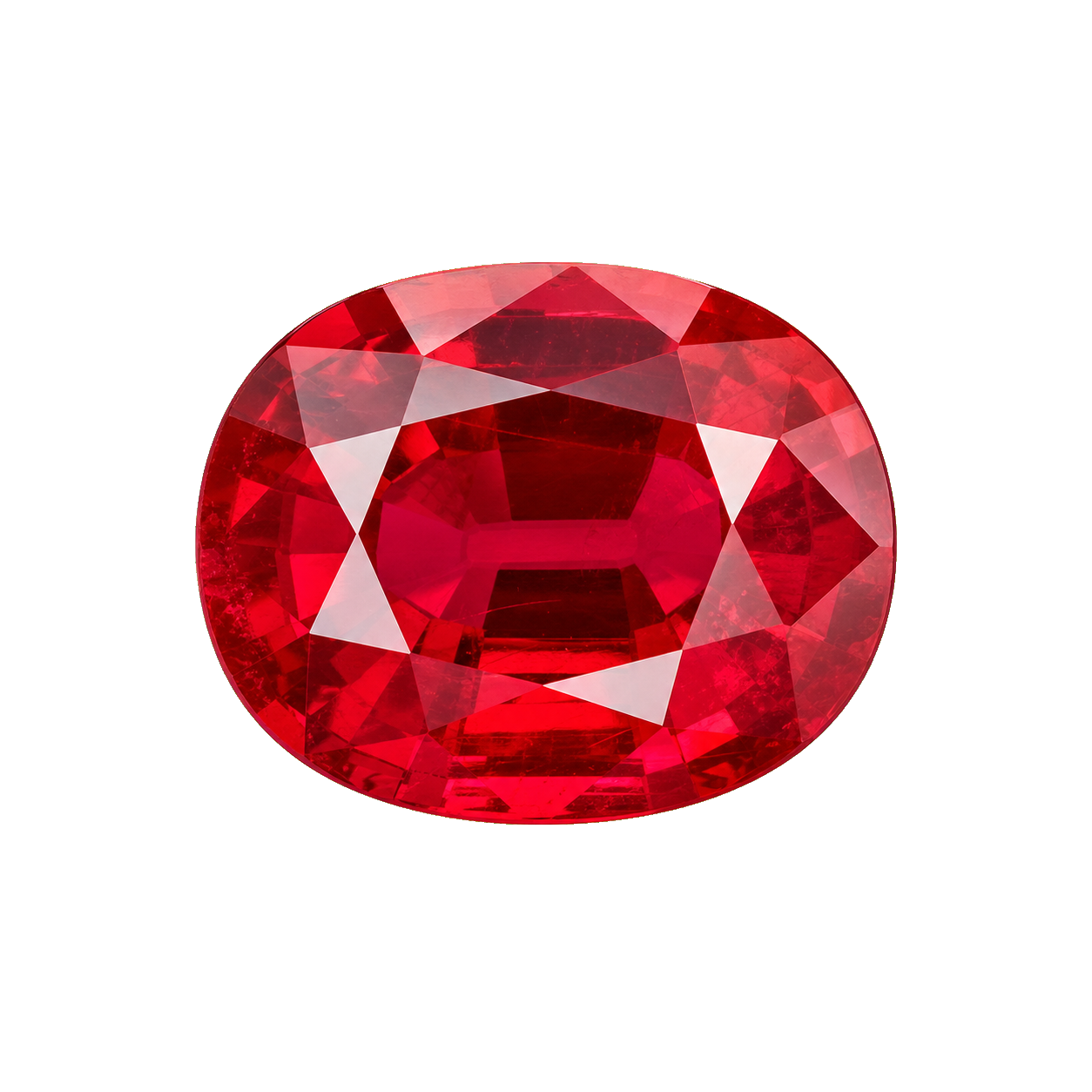
Explore vivid natural rubies selected for expressive red colour, refined cutting, and lasting significance.
Ruby is the red variety of corundum and one of the traditional precious gemstones. Chromium gives ruby its red colour, ranging from lively pinkish red to vivid crimson, while its hardness makes it suitable for important jewellery.
Our Ruby collection is selected for expressive colour, face-up brilliance, balanced cutting, and individual character. Sri Lankan stones often show bright reds with subtle pink undertones. Certification, origin opinions, and treatment details may be available according to the individual gemstone.
Passion, courage, vitality, prosperity, and protection
Ruby has been revered across Asia and Europe as the “king of precious stones.” Ancient cultures associated its glowing red colour with vitality, courage, prosperity, and protection, while royal collections valued exceptional rubies alongside the finest diamonds.
Sri Lankan rubies belong to the corundum family and are admired for bright, lively reds that may carry delicate pink undertones. Fine colour, transparency, size, treatment status, and documented origin strongly influence rarity and value.
The best ruby for a buyer is not always the darkest. Look for a red that remains bright, an even face-up colour, a cut that limits windowing, and inclusions that do not threaten durability. Treatment disclosure and an independent report are particularly important for fine rubies.
The most prestigious ruby colour, admired for its intense pure red appearance with exceptional depth and brilliance.
A bright, highly saturated red offering energetic colour and a striking face-up presence.
A balanced true red without a noticeable secondary colour, prized for its clean and classic character.
A rich, darker red with luxurious depth that should remain visibly red rather than appearing black.
Sri Lankan alluvial deposits have yielded ruby alongside other corundum for centuries. Stones are reviewed for colour, transparency, cutting, surface condition, and disclosed treatment. Any origin statement is presented as an opinion only when supported by appropriate documentation.
A ruby laboratory report may identify natural corundum, record weight and measurements, describe detectable treatment, and sometimes provide an origin opinion. Certification availability and the issuing laboratory differ by product; details are supplied before purchase.
Use these points as a practical starting place, then compare the individual stone in photographs, video, measurements, and available documentation.
Use lukewarm water, mild soap, and a soft brush for routine ruby care. Avoid strong chemicals and impacts, and store ruby separately from softer gems. Because inclusions, fillings, and treatments affect suitable cleaning methods, ask a qualified jeweller before using steam or ultrasonic equipment. Inspect prongs regularly and retain reports in a safe, dry place.
The collection is offered as natural ruby, with known treatments and supporting documentation disclosed for each stone during the inquiry process.
Availability changes. Both may be sourced, and treatment status should be confirmed from the individual disclosure or laboratory report.
Ruby commonly forms with internal features. Their type, position, visibility, and effect on durability matter more than expecting diamond-like clarity.
Yes. Ruby is durable for rings, subject to an individual stone and setting assessment by the jeweller.
Colour, transparency, clarity, cut, carat weight, treatment status, documented origin, rarity, and overall beauty all contribute to value.
Share your preferred colour, shape, carat range, certification needs, jewellery purpose, and budget to request current private inventory.
Inquire on WhatsApp